Two decades of building software that ships
From EDA toolchains used by chip designers to AI systems used by sales teams, restaurants, and pharma reps. I build production software — and I've been doing it since 2000.
EDUCATION
IIT (BHU) Varanasi — B.Tech, Computer Science
PATENT
Switchable Power Islands Having Configurably On Routing Paths (US, 2017)
IEEE PUBLICATION
Low Power Design Using the Si2 Common Power Format (IEEE, 2012)
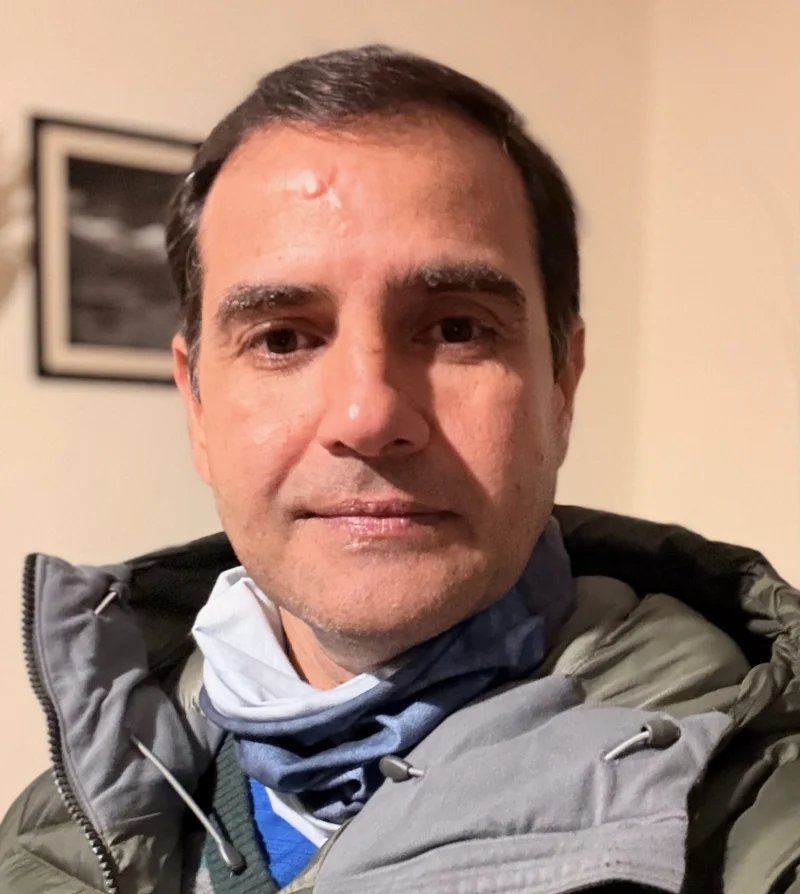
Lalit Narain Sharma
AI Engineering Leader · Bengaluru, India
I build products from architecture to production. Six times in the past four years — starting with AtWin (a sports management platform with 10+ paying customers), then five AI-native products: QueryNLQ (14-agent NL-to-SQL pipeline), Kaiwa (social dining platform with 250+ users), AI Marketing Engine (multi-agent poster generation), MR Voice (pharma field intelligence via WhatsApp), and this portfolio site. Each shipped in under three months, most as sole engineer.
Before that, I spent over fifteen years in EDA and semiconductors. At QuickLogic, I took two FPGA tools — Aurora and Borealis — from whiteboard to market release, built the engineering team from scratch, and managed the eFPGA division's software budget. Before that, I built power analysis tools at Apache Design (ANSYS) and architected low-power verification flows at Synopsys. I hold a patent in configurable power architectures and have published in IEEE.
Most recently, I built Kaiwa's complete product — 215+ API endpoints, 43 database models, genetic algorithm matching, WhatsApp chatbot with payments, iOS + Android apps — in under three months as the sole engineer. The product is live with 250+ users and 60+ bookings in its first month.
I work at the intersection where deep domain knowledge meets AI-native engineering. That combination — knowing the problem deeply and building with AI — is where the most interesting products get built.
EDUCATION
IIT (BHU) Varanasi — B.Tech, Computer Science
PATENT
Switchable Power Islands Having Configurably On Routing Paths (US, 2017)
IEEE PUBLICATION
Low Power Design Using the Si2 Common Power Format (IEEE, 2012)
Career arc
AI-Native Products · 2022–Present
AI Marketing Engine
Live 2026Full-stack AI content platform with 3 LLM agents (Creative Director, Image Strategist, Quality Auditor) orchestrating a 9-step pipeline. FLUX.2-pro image generation, Puppeteer rendering, 25+ poster archetypes, vision-based QA with automatic revision loops.
marketing.kaiwa.club →MR Voice
Live 2026Stateless FastAPI service turning pharma field rep voice notes into structured intelligence reports in under 45 seconds. gpt-4o-transcribe with speaker diarization, GPT-5.4 structured extraction, dual-platform (WhatsApp + Telegram).
Kaiwa
Live 2025-PresentAI-native social dining platform — 215+ API endpoints, 43 database models, genetic algorithm matching engine, WhatsApp chatbot with payments, iOS + Android apps via Capacitor. Complete product stack shipped in under 3 months as sole engineer. 250+ users, 60+ bookings in first month.
kaiwa.club →QueryNLQ
Live 202414-agent AI pipeline turning natural language into production SQL against 500+ table schemas. Pydantic-AI + Pydantic-Graph orchestration, Milvus vector-based schema discovery, self-correcting query generation with multi-stage verification.
querynlq.com →AtWin
Shipped 2022Sports management platform for academies — built in 2022 with a team of 4-5 engineers before the AI coding assistant era. 10+ paying customers onboarded. First product from scratch, first hard lessons about product-market fit.
atwin.app →EDA & Semiconductor · 15+ Years
Director of Software (2015-2022)
QuickLogic
Built Aurora (FPGA place-and-route) and Borealis (next-gen EDA suite) from whiteboard to market release. Built the engineering team from scratch. Managed the eFPGA division's software budget and roadmap.
R&D Manager (2010-2015)
Synopsys
Architected low-power verification flows for chip design teams worldwide.
Senior Engineer (2007-2010)
Apache Design (ANSYS)
Built UPF/CPF-based power analysis tools used in production chip design.
Earlier Roles (2000-2007)
ArchPro · Sequence Design · Mentor Graphics · Infosys
EDA tool development across synthesis, timing analysis, and physical design.
How I think about AI engineering
Ship the hard part first. The risky architectural decision, the integration nobody's tried before, the part that might not work. Prove that before polishing the UI.
Agents for meaning, code for pixels. AI should handle understanding, classification, and generation. Deterministic code should handle layout, formatting, and the things that must be pixel-perfect every time.
Real users from week two. Tight feedback loops beat long planning cycles. Deploy early, measure what matters, iterate from evidence.
Production is the product. A demo that works on your laptop isn't a product. Monitoring, error handling, rate limiting, graceful degradation — these aren't polish, they're core features.
Tech DNA
AI & ML
Backend & Infra
Frontend & Product
Open to conversations
I'm interested in hard technical problems at the intersection of deep domain knowledge and AI-native engineering — particularly in EDA, developer tools, and AI infrastructure. Whether it's a leadership role, a project, or just a technical conversation.